Liquor Liability vs. Assault & Battery: The Two Coverages Atlanta Nightlife Owners Get Wrong
If you own a bar, club, or hookah lounge in Atlanta, two coverages will do more to determine whether a bad night bankrupts you than anything else on your policy: liquor liability and assault & battery. They are the two exposures that produce the largest hospitality claims in Georgia, and they are also the two that owners most consistently misunderstand — often assuming they’re covered when they aren’t, or that one policy handles both when it doesn’t.
Getting these two right is the difference between a policy that looks fine on paper and one that actually responds when a patron is over-served or a fight breaks out at the door. Here’s how each works, why the standard market treats them so differently, and what to confirm before you sign.
Liquor liability: the exposure your general liability policy won’t touch
The single most common coverage mistake in Atlanta nightlife is assuming a general liability (GL) policy covers alcohol-related claims. It doesn’t. A standard GL policy contains a liquor liability exclusion for any business in the “business of” selling or serving alcohol — which is exactly what a bar, club, or lounge is. The coverage you actually need is a separate liquor liability policy.
Here’s why it matters so much in Georgia. Under the state’s dram shop law, a venue can be held liable when it serves a visibly intoxicated patron — or anyone it knows will soon be driving — who then causes harm to someone else. A guest over-served at your bar who later injures a third party in a crash can expose your business to a claim that runs into six or seven figures, and your GL policy will decline it on the exclusion. Only a dedicated liquor liability policy responds.
This is one of the pitfalls we flagged in The Coverage Gap Playbook, and it’s worth restating plainly: if you serve alcohol and you don’t carry liquor liability, your largest routine exposure is entirely uninsured. Late hours, high volume, and a crowd there specifically to drink all sharpen the risk — which is why Atlanta’s nightlife boom is such an underwriting minefield in the first place.
Assault & battery: the claim your policy may specifically exclude

If liquor liability is the exposure owners forget to buy, assault & battery (A&B) is the one they assume is included when it’s often specifically carved out. When alcohol, crowds, and late hours combine, physical altercations happen — and A&B claims are among the most expensive in all of hospitality, because they involve serious bodily injury and frequently a negligence argument that the venue should have prevented it.
The trap is structural. Many standard liability policies exclude assault and battery outright. That means a venue’s single largest severity exposure can be the exact thing its base policy refuses to cover. An owner reads “general liability” on the declarations page and assumes a bar fight is covered; the A&B exclusion buried in the endorsements says otherwise.
The fix is to secure an affirmative A&B grant — coverage that explicitly writes the exposure back in, usually with its own sublimit and its own conditions around security and documented procedures. In the surplus lines market where most Atlanta nightlife risks are placed, this is often the central coverage negotiation. What’s excluded matters as much as what’s covered, and the A&B endorsement is where the real protection lives or dies.
Where hookah lounges stack both exposures — and Atlanta has a lot of them
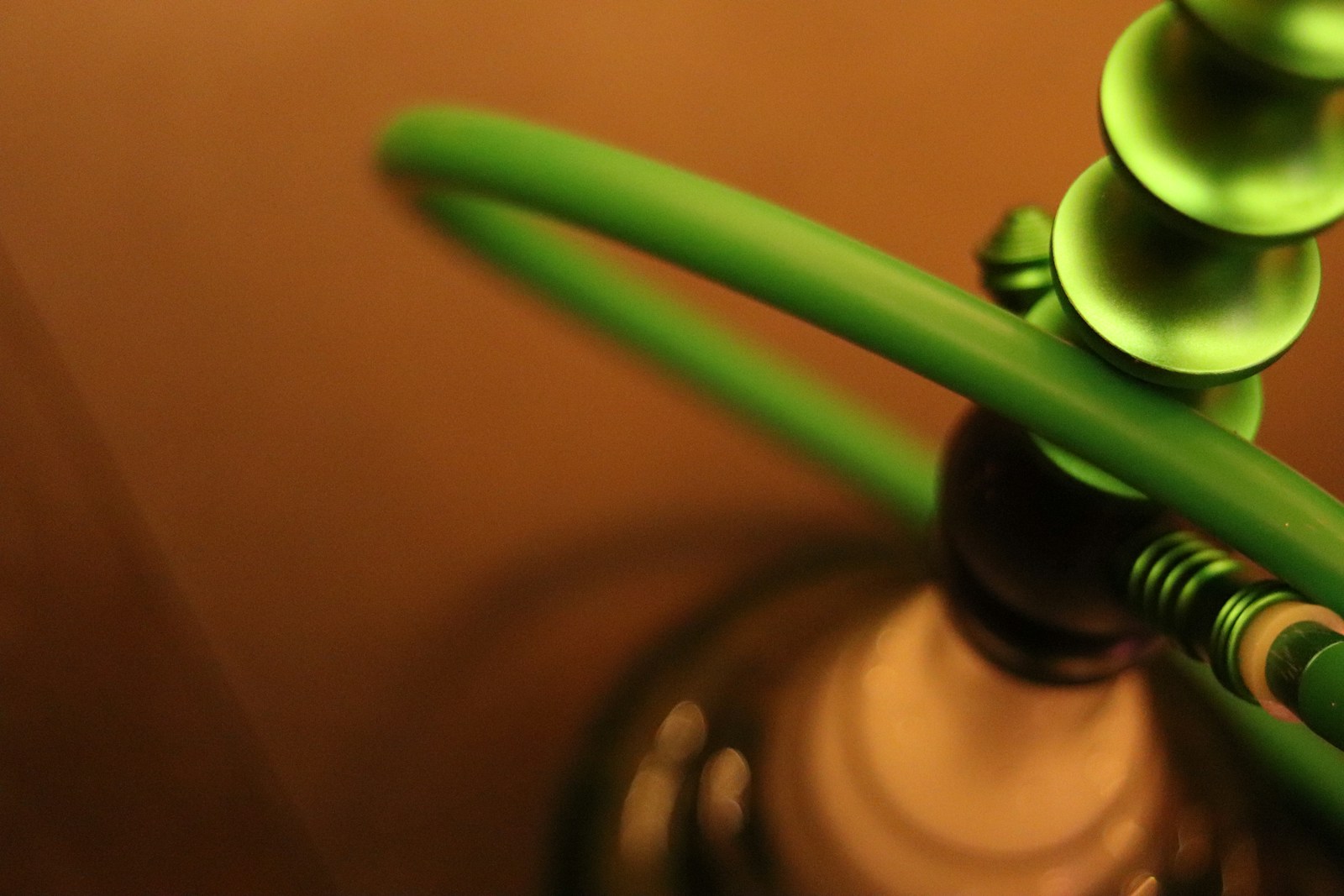
Nowhere do these two coverages collide more than in Atlanta’s hookah lounges — and this is a city that genuinely loves them. From Midtown to Buckhead to the Buford Highway corridor, the hookah lounge has become a fixture of the late-night scene, one of the strongest such markets in the country. That popularity is exactly why the insurance picture is so demanding.
A hookah lounge that serves alcohol carries the full liquor liability exposure of any bar. It carries the full assault & battery exposure of any late-night, crowd-driven venue. And it layers on an exposure almost no other hospitality concept has: open flame and burning tobacco at every table, all night. The two coverages this article is about are both live at a hookah lounge simultaneously — before you even get to the burn and ventilation risk unique to the class. We break that combination down in detail in our guide to why insuring an Atlanta hookah lounge is one of the hardest risks to place.
The takeaway for any hookah lounge owner: don’t think of liquor liability and A&B as boxes to check. Think of them as your two biggest checks waiting to be written — and make sure the policy actually covers both before the night you need it.
How the two coverages scale with your venue
Both exposures grow as your concept does. A quiet neighborhood restaurant that serves wine with dinner carries real but modest liquor liability and almost no A&B exposure. Add a late-night bar program, a DJ, a dance floor, and door security, and both exposures climb sharply — which is why the same venue can look uninsurable in one format and routine in another. If you’re evolving your concept, our breakdown of how insurance needs change as your venue scales from café to club maps how these coverages move with you.
This is also why underwriters scrutinize your security posture and your service practices so closely. Responsible-service training for staff directly addresses the liquor exposure. A documented, professionally staffed security program directly addresses the A&B exposure. Both aren’t just risk management — they’re the evidence that gets you the affirmative A&B grant and the better liquor terms in the first place.
What to confirm before you sign
Before you bind or renew, get clear answers to these:
Do you carry a separate liquor liability policy? If you serve alcohol and the answer is no, your biggest routine exposure is uninsured. Your GL policy does not fill this gap.
Is assault & battery affirmatively granted — or excluded? Don’t accept “it’s a GL policy” as an answer. Ask specifically whether A&B is written in, what the sublimit is, and what security conditions apply.
What are the sublimits? Both coverages often carry sublimits well below your policy’s headline limit. A high aggregate limit means little if A&B is capped at a fraction of it.
Do your service and security practices match what the policy assumes? If the policy is priced on documented training and staffed security and you don’t have them, a claim can surface that gap at the worst possible moment.
These aren’t questions a standard quoting portal will answer for you. They’re the questions a broker who actually writes this class asks on your behalf — and getting them right is the whole game. If your coverage was ever non-renewed and you’re rebuilding a program, our guide on what to do when you’re non-renewed in Georgia walks through the next steps.
The bottom line
Liquor liability and assault & battery are the two exposures most likely to produce a catastrophic claim at an Atlanta bar, club, or hookah lounge — and the two most likely to be misunderstood. General liability won’t cover the alcohol claim. Your base policy may specifically exclude the fight. Both gaps are fixable, but only if you know to look for them before the incident, not after.
B. Dixon Risk Management and Dixon Agency place hard-to-insure hospitality risks across Atlanta and the Southeast — bars, clubs, and hookah lounges the standard market won’t touch. If you’re not sure whether your policy actually covers liquor liability and assault & battery, it’s worth a conversation. Reach out at bdixon@dixoninsure.com.

One Comment