What Atlanta Bars, Clubs & Hookah Lounges Actually Pay for Insurance in 2026 (and What Drives the Number)
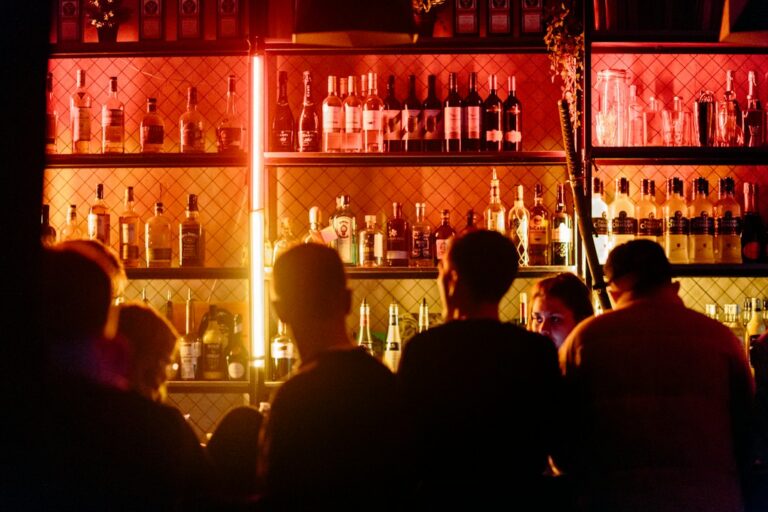
Ask any Atlanta bar, club, or hookah lounge owner what they want to know first, and it’s almost always the same question: what is this going to cost me? It’s the right question — but it’s also the one that can’t honestly be answered with a single number. Two venues on the same block, the same size, serving the same drinks, can pay dramatically different premiums. Understanding why is far more useful than any quoted range, because the factors that move the number are largely within your control.
This is a look at what actually drives nightlife insurance pricing in Atlanta in 2026 — the exposures carriers weigh, why so much of this coverage lands in the surplus lines market, and the specific things that make one venue cheaper to insure than an otherwise identical one next door.

Why there’s no sticker price
Nightlife insurance isn’t a commodity you buy off a shelf. A restaurant that closes at 10 p.m. and a club that runs until 3 a.m. are fundamentally different risks, even with identical square footage and revenue. The premium is assembled from your specific mix of exposures — hours, alcohol, crowd, entertainment, security, and property — and each one moves the number.
Most Atlanta nightlife risks also don’t get priced by the standard admitted market at all. As we’ve covered in why Atlanta’s nightlife boom is an underwriting minefield, the combination of late hours, liquor, and crowd exposure pushes these venues into surplus lines (E&S), where pricing reflects the stacked risk and the policies are more heavily endorsed. That’s not a penalty — it’s simply the market built for risks the admitted carriers won’t write. But it does mean the quality of your submission directly shapes the price you’re offered.
The factors that actually move your premium
Hours of operation. This is the biggest single lever. Every hour past midnight raises the risk profile — more intoxication, more crowd energy, more opportunity for incidents. A venue closing at 2 or 3 a.m. is a materially different price than one closing at 11 p.m.
Alcohol as a share of revenue. A venue where alcohol is 20% of sales is priced very differently from one where it’s 80%. The higher the alcohol share, the heavier the liquor liability exposure — and under Georgia’s dram shop law, that exposure is one of the largest drivers of both price and claim severity. It’s such a pivotal coverage that we devote a full breakdown to liquor liability and assault & battery — the two coverages nightlife owners get wrong.
Assault & battery history and controls. A&B is among the most expensive claim types in hospitality, so underwriters price heavily around it. Prior incidents raise the number; a documented, professional security program can lower it. Whether A&B is even covered — and at what sublimit — is often the single biggest swing in the whole quote.
Entertainment and crowd profile. A DJ, a dance floor, promoted events, or a large standing-room crowd all raise the risk. A seated lounge with background music prices differently than a high-volume club night.
Security posture. How security is staffed, trained, and documented affects both price and availability. Underwriters want to see it — but a use-of-force incident that goes wrong becomes its own claim, so it’s scrutinized as much as it’s rewarded.
Property and build-out. A high-end lounge with an expensive build-out, a full commercial kitchen, or valuable AV and fixtures carries more property exposure than a bare-bones bar. Kitchens add fire exposure; nice build-outs add replacement cost.
Loss history. Nothing prices a risk like its own claims record. A clean multi-year history is one of the most powerful things you can bring to a renewal; a string of claims is the hardest thing to price around.
Why hookah lounges sit at the top of the range
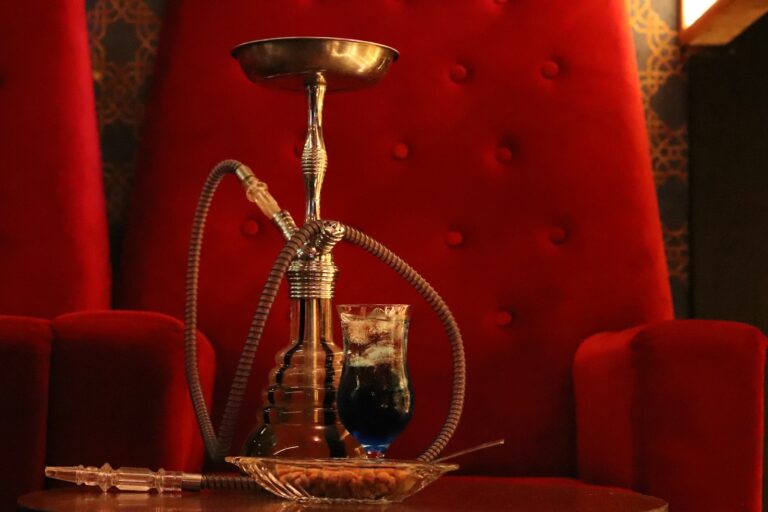
Atlanta’s love of hookah lounges is real — the city is one of the strongest hookah markets in the country — and it makes them a perfect illustration of how pricing stacks. A hookah lounge that serves alcohol carries every factor above: late hours, high alcohol share, crowd and A&B exposure, security needs. Then it adds something almost no other venue has — the on-premises combustion of tobacco, with open flame and hot coals on every table all night.
That tobacco dimension introduces a burn-and-fire exposure and an indoor air-quality exposure that the standard market wasn’t built to price, which is why hookah lounges almost always land in surplus lines and why they sit at the higher end of the nightlife range. It’s not that they’re uninsurable — it’s that they stack more premium-driving factors into one operation than nearly any other hospitality concept. We walk through exactly why in our guide to insuring an Atlanta hookah lounge.
The flip side: because so much of a hookah lounge’s price comes from documentable controls — ventilation, coal-handling procedures, responsible service, security — it’s also a venue where doing the work visibly moves the number more than almost anywhere else.
What actually lowers your number
Here’s the part owners can act on. Within the same concept and location, the venues that pay less are the ones that make their operation easy to underwrite:
Document everything. Written procedures for security, alcohol service, and (for hookah) coal handling and ventilation turn vague risk into a clean, answerable submission. In surplus lines, a well-documented risk is a cheaper risk.
Train and prove it. Responsible-service certification for staff and a professional, documented security program directly address the two biggest severity drivers — and give the underwriter a reason to offer better terms.
Keep your vendor certificates airtight. DJs, promoters, and security contractors should each name your venue as additional insured — otherwise their mistakes become your claim, and your loss history. Atlanta venues trip on this constantly; our guide on why certificates of insurance keep getting rejected in Atlanta covers the fixes.
Protect your loss history. Every avoided claim is a lower renewal. The controls above aren’t just safety measures — they’re what keeps your record clean, which is the single most durable way to control price over time.
Market the risk properly. Two identical venues can get very different quotes depending on how the submission is built and which carriers it reaches. A hard-to-place risk run through a generic portal gets generic (high) pricing; the same risk marketed deliberately to carriers who write the class gets real terms.

The bottom line
There’s no single price for Atlanta nightlife insurance in 2026, because there’s no single risk. Your premium is built from your hours, your alcohol share, your crowd, your security, your property, and above all your loss history — and for hookah lounges, from the added tobacco exposure that pushes them to the top of the range. The number isn’t fixed. The owners who pay less are the ones who treat their toughest exposures as operational priorities and bring a clean, well-documented risk to a broker who knows exactly which carriers to take it to.
B. Dixon Risk Management and Dixon Agency place and price hard-to-insure hospitality risks across Atlanta and the Southeast — bars, clubs, and hookah lounges the standard market won’t touch. If you want a real read on what your venue should be paying and how to lower it, reach out at bdixon@dixoninsure.com.