
Opening a Second Location or Adding Live Music? Call Your Broker Before You Sign
By Brent Dixon, Licensed P&C Commercial Insurance Advisor · B. Dixon Risk Management Corp. / The Dixon Agency LLC · Serving Florida, Georgia, Colorado and South Carolina · bdixonrisk.com
Growth is the goal. A second location, a weekend DJ, a later closing time, a bigger cocktail program. Each of these can lift revenue fast. Each can also quietly change your business into something your insurance policy was never written to cover.
Restaurant and bar owners often call their broker after the lease is signed, after the band is booked, or worse, after the first claim. By then, the options are narrower and more expensive. This guide covers the operational changes underwriters care about, what landlords require in a new lease, and the steps to take before you commit.

Key Takeaways
- Your policy is priced on the business you described. Material changes to hours, entertainment, alcohol sales or locations need to be reported.
- The shift from restaurant to bar or nightclub is one of the biggest pricing and eligibility jumps in commercial insurance.
- Assault and battery coverage becomes critical once crowds, late hours or security staff enter the picture.
- A new lease brings new insurance requirements, often including additional insured status for the landlord, waivers of subrogation and specific limits.
- Get quotes before you sign. Insurance cost belongs in your expansion budget, not your post-opening surprises.
Why Underwriters Care About Your Changes
Hospitality insurance is classified and priced by how the business actually operates. A family restaurant that closes at 10 p.m. and sells a modest amount of beer and wine is a very different risk from a lounge that stays open until 2 a.m. with a DJ, a dance floor and bottle service. The second business has more alcohol-related incidents, more crowd injuries, more fights and more liquor liability claims.
Your application captured the business as it was: your hours, your ratio of alcohol to food sales, your seating, your entertainment. If those facts change and the carrier does not know, a claim from the new activity can lead to disputes about coverage, a premium adjustment at audit, or a non-renewal. In some cases, a policy may contain exclusions or classification limitations that apply directly to the new operation.
Adding Live Music, DJs or Late Hours
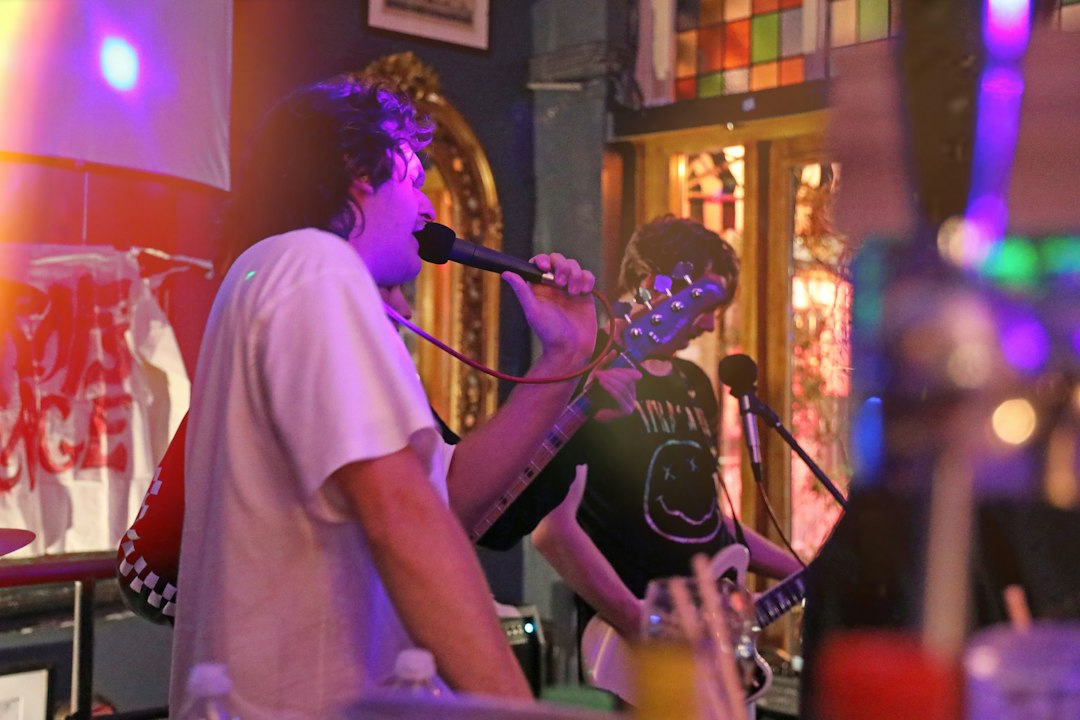
Entertainment is the change that surprises owners most. Adding a band on Friday nights or a DJ on Saturdays sounds minor, but it introduces crowds, standing room, dancing, louder spaces and longer stays, all of which increase alcohol consumption and the chance of injuries or altercations.
The most important coverage question is assault and battery. Many hospitality general liability and liquor liability policies exclude assault and battery claims entirely, or limit them to a small sublimit well below the main policy limit. When entertainment and late hours are added, those claims become far more likely, and they are often the most expensive claims a bar faces because they involve serious injuries and allegations of negligent security. Check your policy for this exclusion or sublimit before your first event.
Security staff raises its own questions. If you hire bouncers directly, they need to be accounted for in your workers’ compensation and liability coverage. If you contract a security company, require it to carry its own liability coverage and name your business as an additional insured. Make sure your policy does not exclude claims arising from security activities.
Opening a Second Location
A second location is not as simple as adding an address to your current policy. Each location has its own building, equipment, inventory, liquor license, staff and neighborhood risk profile. Before you open, plan for the following.
- Entity structure: Many owners form a separate LLC for each location. Every entity needs to be properly named on the policy, or a claim against the new company may not be covered.
- Property and business income: Tenant improvements, equipment and inventory at the new site, plus the income you would lose if it had to close after a fire or storm.
- Liquor liability: Coverage tied to each location and license, priced on that location’s alcohol sales.
- Workers’ compensation: New payroll and potentially a new state, with its own rules.
- Build-out risk: If you are renovating, consider builder’s risk coverage and confirm your contractors carry their own insurance.
What Your New Lease Will Require
Commercial leases almost always include an insurance section, and landlords take it seriously. Some requirements can be met with simple endorsements. Others require higher limits or coverages you do not carry today. Read it before you sign, and send it to your broker.
Pay special attention to the indemnity clause. Leases often require you to defend and indemnify the landlord for broadly defined claims. Your insurance can respond to some contractual liability, but not necessarily everything a lease asks for. An attorney should review the clause, and your broker should confirm what your policy actually covers.
Before You Sign: The Five-Step Check
Timing matters because landlords often require proof of insurance before you receive keys or start your build-out, and promoters and venues may require certificates before an event is confirmed. Starting the insurance conversation when you start negotiating gives you leverage, time and a realistic budget.

Frequently Asked Questions
Do I need to tell my insurer about one special event?
Ask your broker. Some policies handle occasional events within normal operations, while others require notice or special event coverage, especially for ticketed events, outside promoters or events far larger than your normal capacity.
Will adding entertainment raise my premium?
Often, yes, and it may move you to a different market. The bigger risk is not reporting it and discovering a coverage problem after a claim. Documented security procedures, ID scanning, cameras and staff training help offset the increase.
Can both locations be on one policy?
Frequently, yes, as long as every entity and location is properly scheduled. Some owners prefer separate policies so a large loss at one location does not affect the other’s terms. Your broker can compare both approaches.
Grow Without Coverage Gaps
Restaurants, bars, lounges and hospitality businesses are a core specialty at The Dixon Agency. We place hard-to-insure hospitality risks across Florida, Georgia, Colorado and South Carolina, including late-night operations, entertainment venues and multi-location groups.
Signing a new lease or adding entertainment? Send us the lease draft and a description of your plans before you commit. We will tell you what changes, what it costs and how to meet the landlord’s requirements. Email bdixon@dixoninsure.com or call 786-804-2580.
This article is general information, not legal advice or a coverage opinion. Policy terms, exclusions and lease requirements vary. Have an attorney review lease terms and a licensed professional review your coverage.