

From Café to Club: How Insurance Needs Change as Your Venue Scales
Not every hospitality business carries the same risk. A quiet café serving espresso on a sidewalk patio and a packed nightclub at 1 a.m. are both “hospitality,” but they occupy completely different worlds when it comes to insurance. The mistake that catches so many owners is assuming their coverage can stay the same as their business evolves — that the policy they bought when they opened a small café still fits once they’ve added a full bar, extended their hours, and started booking a DJ on weekends.
It doesn’t. As a venue scales up — in hours, in alcohol, in crowd, in energy — its risk profile transforms, and its insurance program has to transform with it. That progression is the single most misunderstood part of Atlanta hospitality insurance, and it plays out through three stages every hospitality owner will recognize.
Stage one: the café — lower risk, but not no risk
Picture a small café with a handful of outdoor tables. Daytime hours. Coffee, pastries, maybe a light lunch menu. No alcohol, or perhaps just beer and wine. This is about as low-risk as hospitality gets — but “low-risk” is not the same as “no-risk,” and owners at this stage routinely under-protect themselves because the business feels simple.
The core exposures here are the ordinary ones. General liability covers the slip-and-fall on a wet floor, the customer who trips on that uneven patio paver, the hot coffee spilled in a lap. Property coverage protects the espresso machine, the furniture, the build-out. If there are even two or three employees, Georgia requires workers’ compensation — and a café owner who counts only “full-time” staff and forgets the part-time weekend barista is already out of compliance.
The patio itself is worth a second look. Sidewalk and outdoor seating often sits on leased or licensed space, which can trigger contractual insurance requirements from the landlord or the city — specific limits, additional-insured status, a certificate on file. And the moment a café adds even a modest beer-and-wine offering, a liquor exposure appears that general liability will not cover. It’s small, but it’s real, and it’s the first hint of the escalation to come.
The takeaway at stage one: keep it simple, but don’t mistake simple for safe. Get the ordinary coverages right, stay compliant on workers’ comp, and watch the lease requirements.
Stage two: the full-service restaurant — the exposure curve steepens
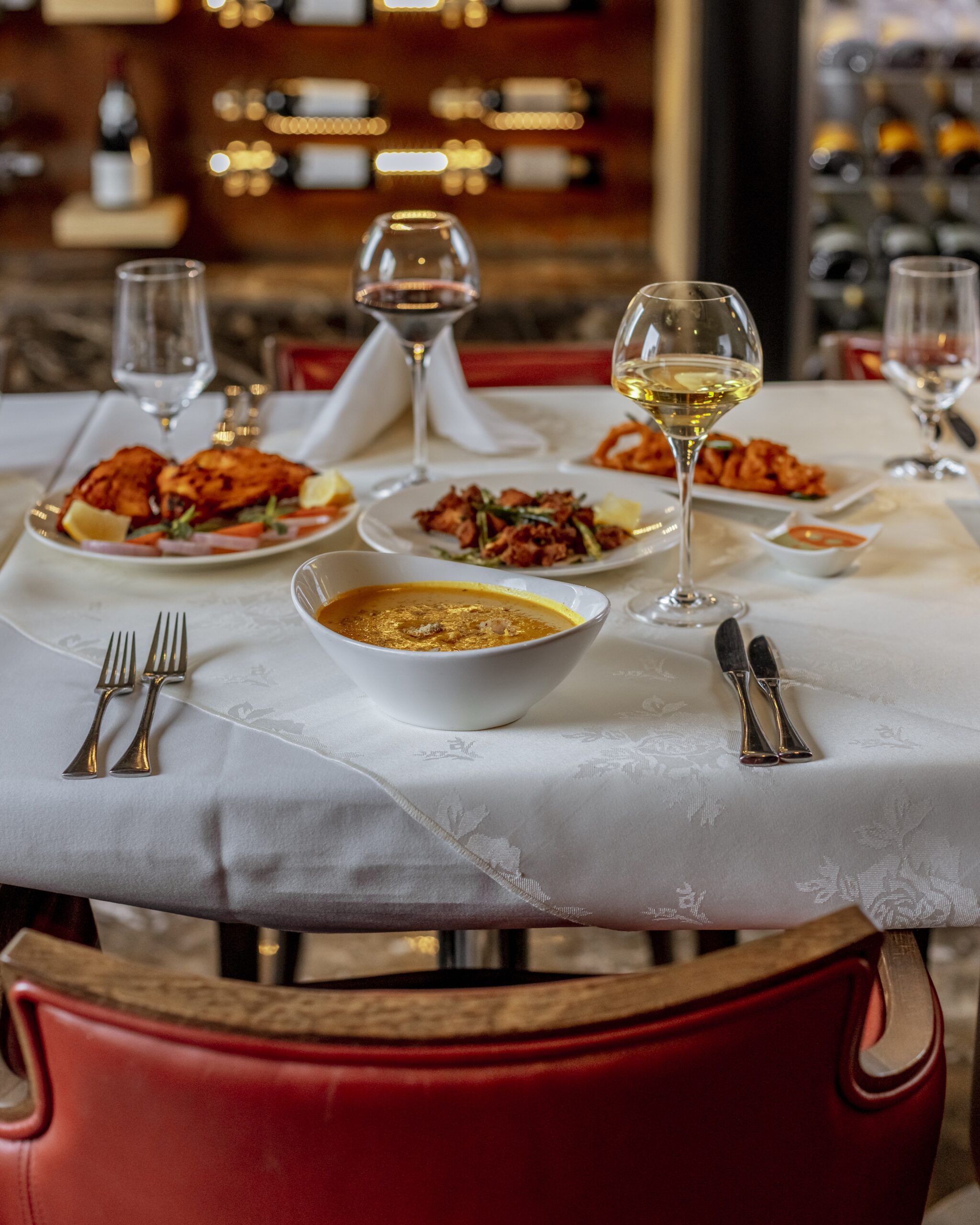
Now the business grows up. The café becomes a full-service restaurant — a real kitchen, a dinner crowd, table service, a wine list, and a proper bar. Revenue climbs. So does the risk, and not in a straight line. Several exposures escalate at once.
Liquor liability becomes central. This is no longer an incidental beer-and-wine afterthought. The restaurant now sells alcohol as a meaningful part of its business, which means Georgia’s dram shop law is squarely in play and a dedicated liquor liability policy is essential — not a “host liquor” endorsement, but real, scheduled liquor liability coverage with its own limit.
The property exposure multiplies. A commercial kitchen is a different animal from an espresso bar. Cooking equipment, hood systems, walk-in coolers, fryers, gas lines — the fire risk alone is a major underwriting factor, and the replacement cost of a built-out kitchen is far higher than most owners estimate. Underinsure it, and a coinsurance penalty can gut the payout on even a partial loss.
Business interruption starts to matter enormously. A café that closes for two weeks loses some coffee sales. A restaurant that closes for four months after a kitchen fire can lose everything — while rent and payroll grind on. Business interruption coverage, sized to actual trailing revenue with a realistic restoration period, becomes one of the most important coverages in the program.
The staff grows, and so does employment exposure. More servers, line cooks, bartenders, hosts — higher turnover, longer hours, a busier and more stressful environment. Employment practices liability, covering harassment, discrimination, and wrongful-termination claims, moves from “optional” to “you really should have this.”
Vendors enter the picture. A restaurant works with far more outside parties than a café — food suppliers, linen services, equipment maintenance, event caterers, maybe live music. Each one should be handing over a certificate of insurance naming the restaurant as additional insured. Skip that discipline, and their uninsured mistakes become the restaurant’s problem.
The exposure curve doesn’t rise gently from café to restaurant — it steepens sharply, driven above all by alcohol and by the kitchen. An owner who scales the business but keeps the café-era policy is now dangerously underinsured on the exact risks that just became their largest.
Stage three: the club — the high-risk end of the spectrum

Now push all the way to the far end. Late hours. A DJ or live music. A dense, energetic crowd. Alcohol as a central draw rather than an accompaniment to food. Security at the door. This is the nightclub, and it sits at the highest-risk end of the hospitality spectrum — where the exposures aren’t just bigger versions of the restaurant’s, but different in kind.

Assault & battery becomes the defining exposure. This is the single biggest shift at the club stage. Crowds, alcohol, and late hours produce physical altercations, and A&B claims are among the most expensive in all of hospitality — routinely reaching six or seven figures. The brutal irony is that most standard liability policies exclude assault and battery, so a club’s largest exposure is often the one its base policy won’t touch. Securing an affirmative A&B coverage grant — typically through a surplus lines carrier — becomes the central challenge of insuring the venue.
Liquor liability intensifies. Higher volume, later service, a crowd that’s there primarily to drink — every factor that makes dram shop exposure severe is dialed up. Underwriters know it, and they price and scrutinize accordingly.
Security itself becomes a rated exposure. The presence of bouncers and security staff cuts both ways: it’s a risk-management measure underwriters want to see, and it’s also a source of claims when an ejection or use-of-force incident goes wrong. How security is trained, staffed, and documented directly affects both the premium and the availability of coverage.
The whole risk migrates to surplus lines. By this stage, the admitted market has largely exited. A true late-night club is almost always a surplus lines (E&S) placement — more heavily endorsed, more exclusion-driven, more dependent on how well the owner documents their operations. The coverage exists, but it has to be assembled deliberately by someone who knows the market.
At the club stage, insurance stops being a background expense and becomes a core operational concern — something that shapes how the venue is run, staffed, and documented, not just a policy filed in a drawer.
The through-line: your coverage has to grow with you
The reason this progression matters is that businesses rarely leap from café to club overnight. They drift there — one added service at a time. A beer-and-wine license here. Extended hours there. A weekend DJ. A bigger bar. Each individual step feels small, and none of them announce, “your insurance is now inadequate.” But cumulatively they move the business across the entire risk spectrum, and the policy that fit the café becomes dangerously wrong for the club it has quietly become.
This is the single most common and most dangerous gap in hospitality insurance: coverage that reflects the business the owner started, not the business they’re running now. The exposures escalated; the policy didn’t. And the gap only reveals itself when a claim hits — the liquor suit the host-liquor endorsement won’t cover, the kitchen fire that blows past an outdated property limit, the parking-lot assault the base policy excludes.
The fix is not complicated, but it requires attention: every time your venue meaningfully changes — new hours, new alcohol program, new entertainment, more staff, a bigger crowd — your coverage should be re-examined against the business as it actually operates today. Not the business plan from opening day. The reality now.
The bottom line
Café, restaurant, club — the same square footage can house any of them, but the insurance program behind each is a different animal. As a venue scales up in hours, alcohol, crowd, and energy, its risk profile transforms, and liquor liability, property, business interruption, employment practices, and above all assault & battery escalate at different rates along the way.
The owners who stay properly protected are the ones who treat insurance as a living program that evolves with the business — and who work with a broker who can map the coverage to the venue’s actual stage, especially once the risk crosses into the surplus lines market where the hardest exposures live.
B. Dixon Risk Management and Dixon Agency work with hospitality venues across Georgia and the Southeast at every stage — from the neighborhood café to the late-night club. If your business has grown since you last reviewed your coverage, it’s worth a fresh look. Reach out at bdixon@dixoninsure.com.





One Comment