Insuring an Atlanta Hookah Lounge: Why It’s One of the Hardest Risks to Place
Few hospitality concepts have taken hold in Atlanta the way the hookah lounge has. From Midtown to Buckhead to the suburbs along Buford Highway, the city has become one of the strongest hookah markets in the country — a fixture of its nightlife, woven into the same late-night economy as its clubs and lounges. For owners, it’s a proven concept with loyal regulars. For insurance underwriters, it’s one of the most difficult risks in all of hospitality to price and place.
The reason is that a hookah lounge stacks nearly every exposure carriers dislike into a single operation. It’s a late-night venue. It usually serves alcohol. It draws a social, energetic crowd. And on top of all of that, it involves the on-premises combustion of tobacco — an exposure most hospitality venues don’t carry at all. Understanding how those factors combine is the key to understanding why coverage is expensive, why it so often lands in the surplus lines market, and what an owner can do to make their venue more insurable.
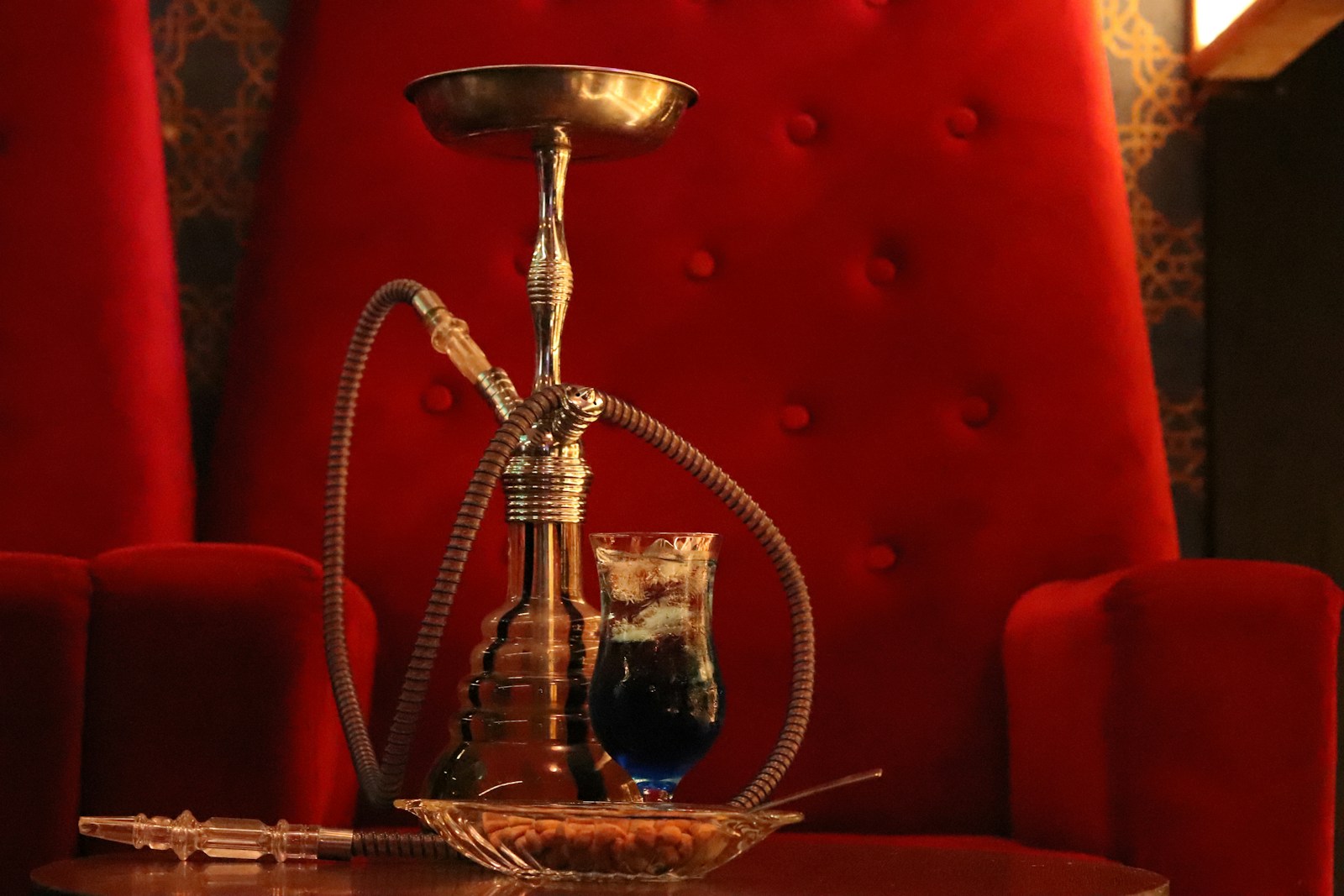
The tobacco factor: an exposure most venues don’t have
Start with what makes a hookah lounge fundamentally different from a bar or restaurant: open flame and burning tobacco, at the table, all night. Charcoal is lit and re-lit continuously. Hot coals are carried across a crowded floor. The result is a fire and burn exposure that a typical lounge simply doesn’t have — hot coals dropped on furniture or carpet, burns to patrons and staff, and the ever-present ignition source in a dim, busy room.
Then there’s the smoke itself. Sustained indoor tobacco smoke raises indoor air-quality questions and creates a long-tail health exposure that underwriters weigh carefully. Ventilation becomes a genuine underwriting factor — a venue with a serious, well-documented ventilation system is a meaningfully different risk than one relying on a couple of ceiling fans and a propped-open door. And because Georgia’s Smokefree Air Act carves out specific conditions under which indoor tobacco smoking is permitted, a hookah lounge’s very right to operate depends on fitting within those legal exemptions. Fall outside them and the exposure is no longer just an insurance problem; it’s an existential one.
This tobacco dimension is the single biggest reason hookah lounges are underwritten separately from ordinary bars. It’s an exposure the standard hospitality market wasn’t built to price.
Everything a late-night venue carries — on top of the smoke
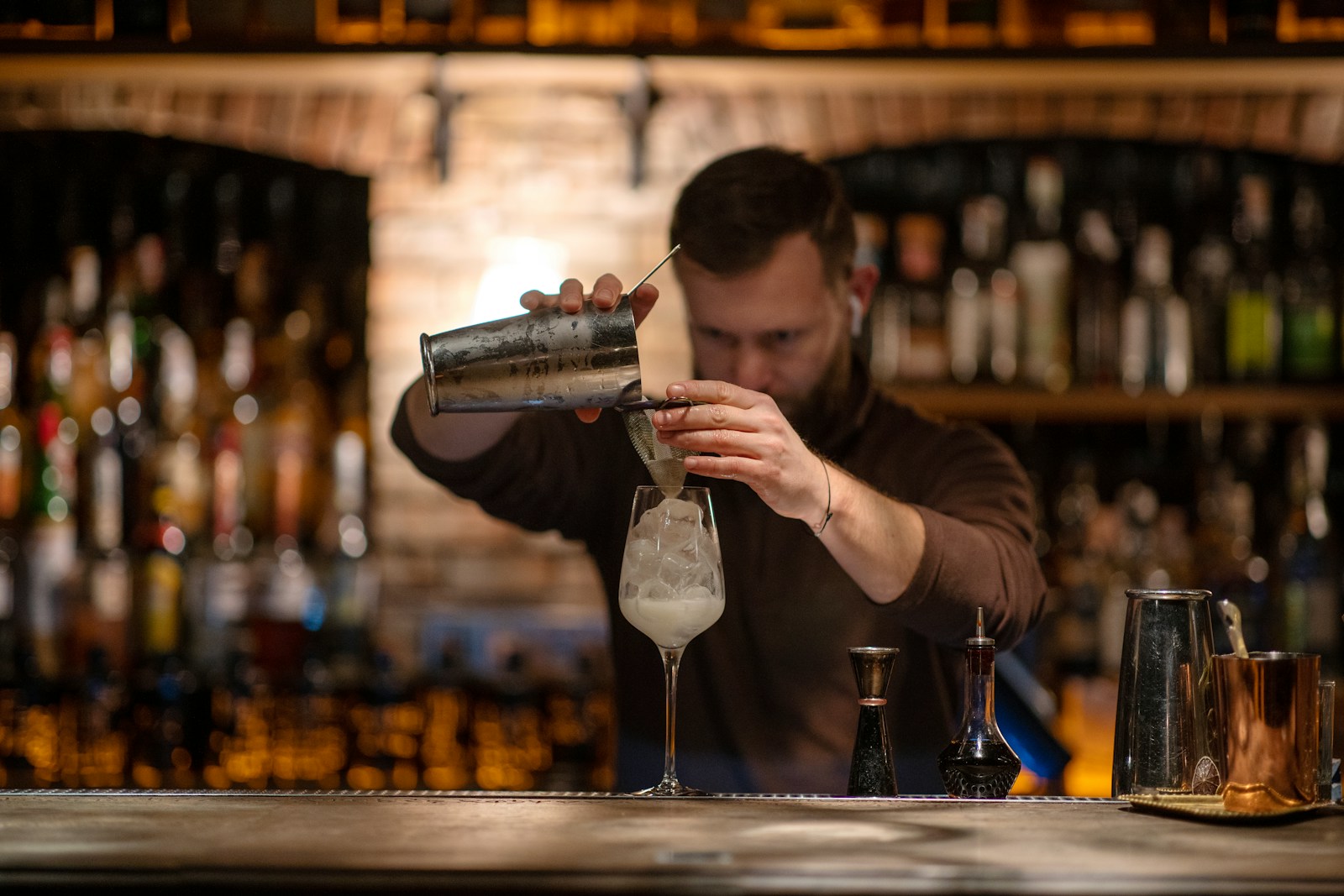
If the tobacco exposure were the only issue, it would be manageable. But most Atlanta hookah lounges are also late-night, alcohol-serving social venues — which means they carry the full slate of nightlife exposures on top of the smoke.
Liquor liability. The moment a lounge serves alcohol, Georgia’s dram shop law is in play, and a dedicated liquor liability policy becomes essential. A patron over-served on the premises who later causes harm can expose the venue to a claim that general liability won’t touch. Late hours and a crowd that’s there to socialize only sharpen that exposure.
Assault & battery. Like any late-night venue where alcohol and crowds mix, hookah lounges face the risk of physical altercations — and A&B claims are among the most expensive in hospitality. The trap is that many standard liability policies exclude assault and battery outright, so the venue’s largest single exposure can be the one its base policy specifically won’t cover. Securing an affirmative A&B grant is often the central coverage question — we break down liquor liability versus assault & battery and why owners get both wrong in a dedicated guide.
Crowd and premises exposure. A busy lounge at midnight — dim lighting, servers moving between tables, hot coals in transit — is a different premises-liability picture than a daytime café. Slips, trips, burns, and crowd-related incidents all rise with the hour and the energy of the room.
Security. Many venues staff door security, which underwriters both want to see and scrutinize. How security is trained, staffed, and documented affects both the premium and whether coverage is available at all — because an ejection or use-of-force incident that goes wrong becomes its own claim.
Individually, each of these is a known nightlife exposure. Stacked together and layered on top of the tobacco risk, they explain why a hookah lounge sits at the difficult end of the spectrum — closer to a nightclub than to the restaurant it might physically resemble. If you’re weighing where your venue falls, our breakdown of how insurance needs change as your venue scales from café to club maps that progression in detail.
Why the coverage lands in surplus lines
Put the tobacco exposure and the nightlife exposures together, and the standard admitted insurance market largely steps aside. Admitted carriers — the ones whose forms are filed and regulated at the state level — generally aren’t structured to price open-flame indoor tobacco combustion combined with late-night liquor and assault exposure. So hookah lounges almost always become surplus lines, or excess and surplus (E&S), placements.
That isn’t a bad thing — it’s simply how specialized, hard-to-place risks get covered. The surplus lines market exists precisely for exposures the admitted market won’t take. But it does mean a few things for the owner. The policies are more heavily endorsed and more exclusion-driven, so what’s excluded matters as much as what’s covered. Pricing is higher, reflecting the stacked exposures. And the placement depends heavily on how well the operation is documented — because in this market, the quality of your submission directly shapes the terms you’re offered.
This is also why working with a broker who actually knows the surplus lines hospitality market matters so much. A hookah lounge is not a risk that gets placed by running it through a standard quoting portal. It has to be marketed deliberately to carriers who write this class, with a submission built to answer the questions those underwriters will ask before they ask them.
What makes a hookah lounge more insurable
The exposures are real, but they’re not equally severe at every venue — and the difference usually comes down to how the operation is run and documented. A few things consistently make a hookah lounge easier and cheaper to place:
Serious ventilation, documented. A real ventilation and air-handling system, with documentation, directly addresses the smoke exposure underwriters worry about most. It’s one of the clearest signals that an owner takes the tobacco risk seriously.
Disciplined coal and fire handling. Written procedures for lighting, transporting, and disposing of hot charcoal — and evidence they’re followed — cut directly into the burn-and-ignition exposure.
Trained alcohol service and security. Responsible-service training for staff and a documented, professional security posture both speak to the liquor and A&B exposures that drive the largest claims.
Clean legal footing. Clear compliance with Georgia’s indoor-smoking exemptions and local licensing removes the existential question mark and lets an underwriter focus on ordinary risk rather than whether the venue can legally operate at all.
Airtight certificates from every vendor. DJs, security contractors, and other outside parties should each be providing a certificate of insurance naming the lounge as additional insured — otherwise their mistakes become the lounge’s problem. Atlanta venues run into this constantly; our guide on why certificates of insurance keep getting rejected in Atlanta covers the fixes.
The bottom line
Atlanta’s love of hookah lounges is real, and so is the market for insuring them — but it’s a specialized one. A hookah lounge combines an exposure almost no other venue carries, the on-premises combustion of tobacco, with the full weight of late-night nightlife risk: liquor liability, assault and battery, crowd exposure, and security. That combination pushes the risk out of the standard market and into surplus lines, where the coverage exists but has to be assembled deliberately.
The owners who get the best terms are the ones who treat the venue’s toughest exposures as operational priorities — ventilation, coal handling, responsible service, legal compliance — and who work with a broker who knows exactly which carriers write this class and how to present the risk to them.
B. Dixon Risk Management and Dixon Agency place hard-to-insure hospitality risks across Atlanta and the Southeast — including hookah lounges, late-night bars, and clubs that the standard market won’t touch. If you’re opening a hookah lounge or struggling to renew coverage on one, it’s worth a conversation. Reach out at bdixon@dixoninsure.com.